Newsela launched in 2013 with a bold mission: Meaningful classroom learning for every student. Today, our team constantly strives to deliver powerful solutions that inspire our users.
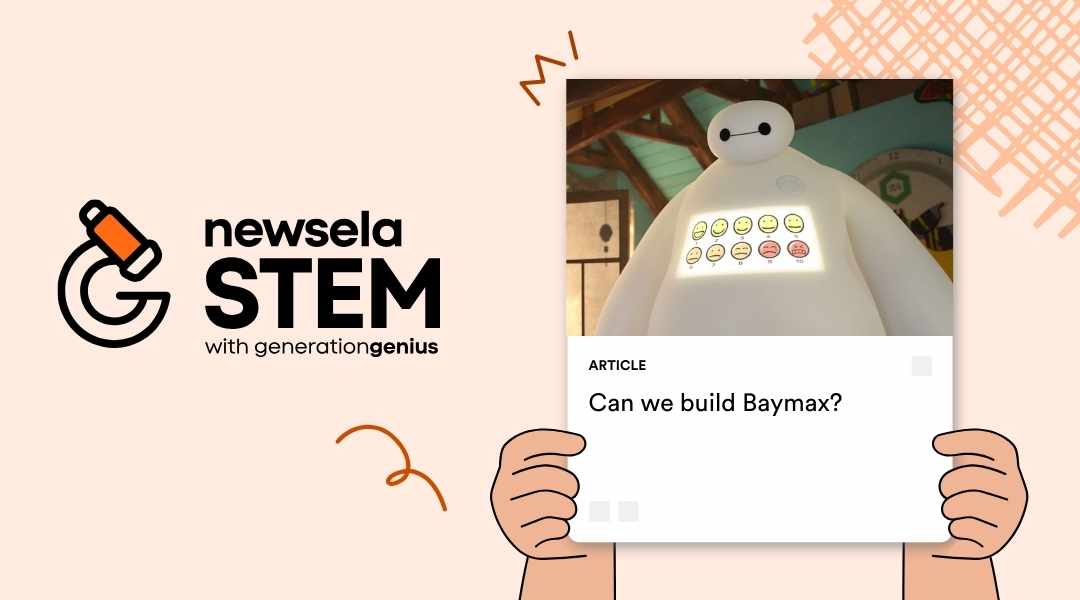
With the right articles, videos, and debates, you can connect robotics to science, engineering, and ELA. Here’s how to make National Robotics Week engaging and easy to plan.
Real-world robotics examples make STEM feel relevant without needing physical robots in your classroom.
Cross-grade resources let you adjust complexity fast.
Robotics topics connect naturally to engineering and AI, so you can extend learning beyond the week.
National Robotics Week is a perfect time to show students where robotics already impacts their world. You don’t need expensive equipment or coding kits, just strong texts, videos, and discussions to build the foundation.
Where can students see robots making a difference in the real world?
Robots aren’t just the subjects of sci-fi fiction. They already work in hospitals, factories, and even outer space. When students see that, robotics starts to matter more.
To build this understanding during National Robotics Week, use resources that cover topics like:
Students may hear on the news or social media that robots or AI are “taking our jobs,” but they might not understand what that implies. This is your chance to ground the conversation in facts instead of sensational headlines.
How do robots help us explore Mars and outer space?
Space exploration can be one of the easiest ways to hook students during National Robotics Week. Robots go where we humans can’t to collect data, test terrain, and search for signs of life.
When students see that robotics drives real discoveries, engineering suddenly feels more important. To build that understanding, use resources that cover topics like:
How are robots used in real factories and manufacturing?
Assembly lines, safety testing, and even mobility design rely on robotics every day. During National Robotics Week, a virtual field trip to the Toyota factory makes the topic concrete without leaving the classroom. Follow this lesson to get students thinking:
Why should students understand the engineering behind robotics?
Robotics doesn’t just mean machines. It’s engineering in action that lets students see the problem-solving behind the technology.
National Robotics Week is a great time to connect robots to bigger engineering concepts. That foundation helps students understand how ideas move from design to reality. To build that understanding, use resources that cover topics like:
What if your students want even more robotics content?
Some students will get hooked on robotics and won’t want to stop with just one or two articles. Let them go deeper with extension texts that show creativity, innovation, and real-world problem-solving.
Explains what 3D-printing can do to revolutionize robotics.
How can Newsela STEM and Generation Genius videos make National Robotics Week easier to teach?
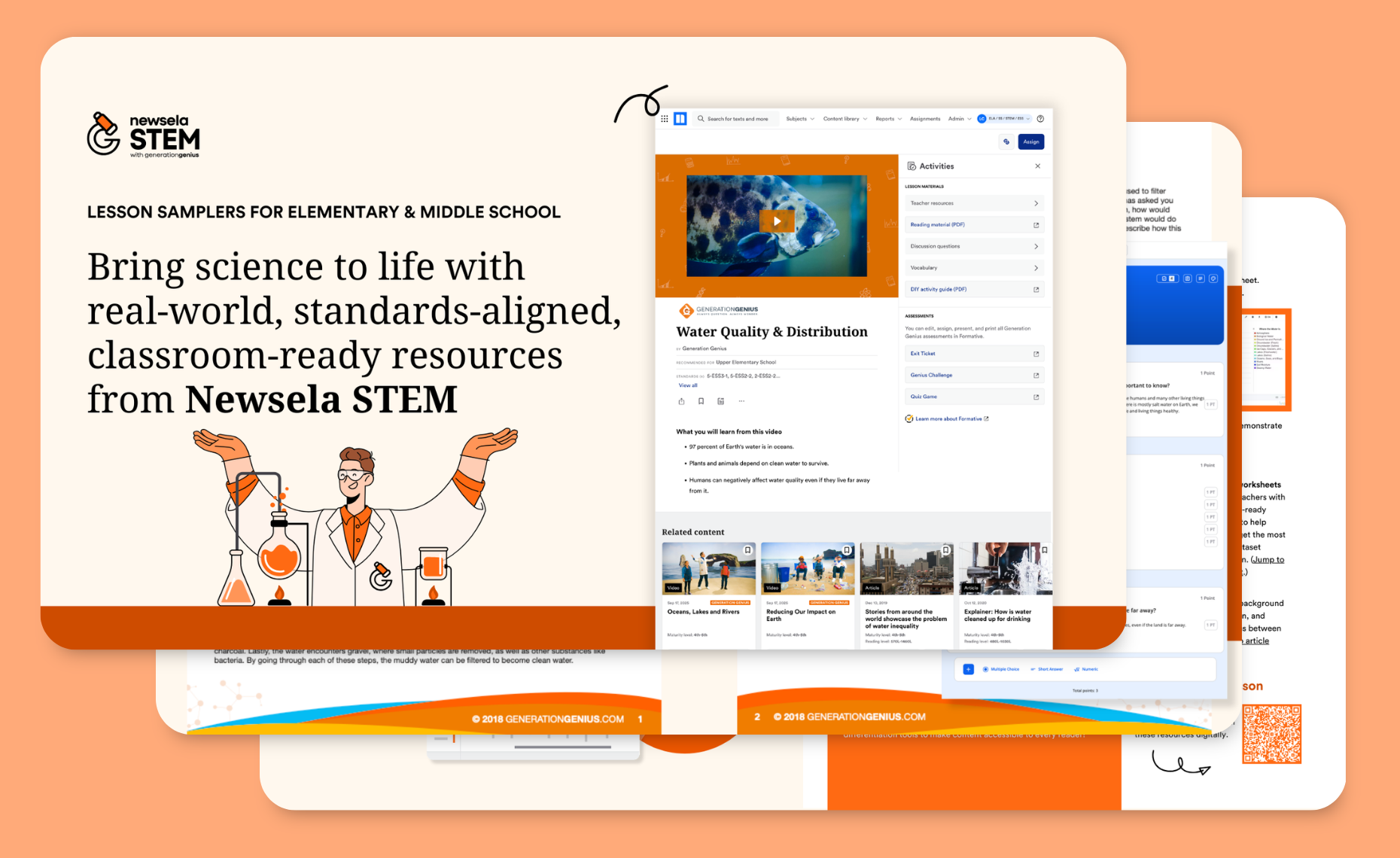
Using Newsela STEM with Generation Genius science videos helps you reinforce science standards while breaking down challenging concepts into clear, engaging explanations. Videos provide visual models that support conceptual understanding and make abstract ideas easier for students to grasp.
Each video lesson also includes a 5E lesson plan, key vocabulary, and discussion questions to minimize the prep you need to do to bring these concepts to life for your students.
Try these video selections to tailor your instruction by grade band and reinforce key science skills for robotics and engineering learning:
[National Robotics Week ELA activities and debates](id-ela)
Key takeaways:
Robotics and AI topics spark real debate, which makes argumentative writing more authentic.
High-interest tech issues help students practice comparing claims and evidence.
ELA skills connect to STEM themes, so you reinforce literacy without abandoning content relevance.
Structured debates and writing tasks give students a clear way to process complex ideas about robotics and AI.
National Robotics Week doesn’t have to stay in science class. Robotics and artificial intelligence raise big questions about work, safety, ethics, and trust.
That makes this week perfect for argumentative writing, compare-and-contrast work, and class debates. Your students already have opinions, and you need strong texts to ground those in evidence.
Are robots already in restaurant kitchens?
Dig into a student-favorite topic like food with a robotics twist. Learning about robot chefs can make issues like efficiency and job loss feel real. Use this topic during National Robotics Week to model how to analyze pros and cons instead of reacting to headlines.
To build that understanding, use resources like:
An article about how scientists are trying to create a robotic pizza chef, and what it means for food preparation.
Students hear about AI all the time, but many can’t explain it clearly. National Robotics Week is a good time to slow down and define it.
Help students understand how AI powers robotics, decision-making, and automation. When they grasp the basics, their debates and writing get stronger. To build these skills, use articles on topics like:
Ask students how they’d feel riding in a car or plane without a human operator. Maybe some of them already have. That question will get the room talking. National Robotics Week gives you a timely reason to explore how AI and robotics are shaping travel, safety, and accessibility.
To consider the advancements, explore resources on topics like:
If you don’t want a live debate but still want students to practice argument, turn this into an argumentative writing assignment on Newsela Writing. Students can draft, revise, and submit all in one place!
Where can students read more about robots and other science fiction stories?
Robots aren’t just a technical phenomenon. They’re also storytelling gold. Fiction and narrative nonfiction help students think about identity, ethics, and what it means to be human.
During National Robotics Week, you can extend learning with longer texts that keep the theme alive beyond one article. You can recommend novels like:
“I, Robot” by Isaac Asimov: A classic look at robotics, logic, and unintended consequences.
“The Wild Robot” by Peter Brown: A blend of survival, nature, and machine learning.
“Feed” by M.T. Anderson: A dystopian take on technology and human connection.
“Spare Parts” by Joshua Davis: A narrative nonfiction story about students building a robot against all odds.
Newsela Knack: Preview selections to ensure they align with your grade level, district guidelines, and family expectations. You know your students best!
Explore more STEM topics with Newsela
You don’t need to reinvent your plans to recognize National Robotics Week in your classroom. Strong texts, engaging videos, and structured debates already exist inside Newsela.
Whether you teach STEM, ELA, or both, you can plug robotics into what you’re already doing. That keeps lessons manageable and meaningful.
Not a Newsela customer yet? Create an account for free and start your 45-day trial. You’ll get access to our premium content and activities to make National Robotics Week easy to teach.
Everything you need to accelerate learning across ELA, social studies, and science
Teach the Engineering Design Process to Your Students
Discover what the engineering design process is, why it’s valuable in K-12 classrooms, and tips you can use to start creating EDP lessons for your students.
Introducing Newsela STEM - Make Real-World Science Relevant For All Learners
This webinar introduces Newsela STEM and shows how real-world science content helps districts engage learners while supporting standards-aligned instruction.


 Products Overview